Dal in English: Key Facts for UPSC 2026
Dal is a staple food in Indian cuisine, also known as lentils or pulses in English. It provides protein and nutrients, especially in vegetarian diets.
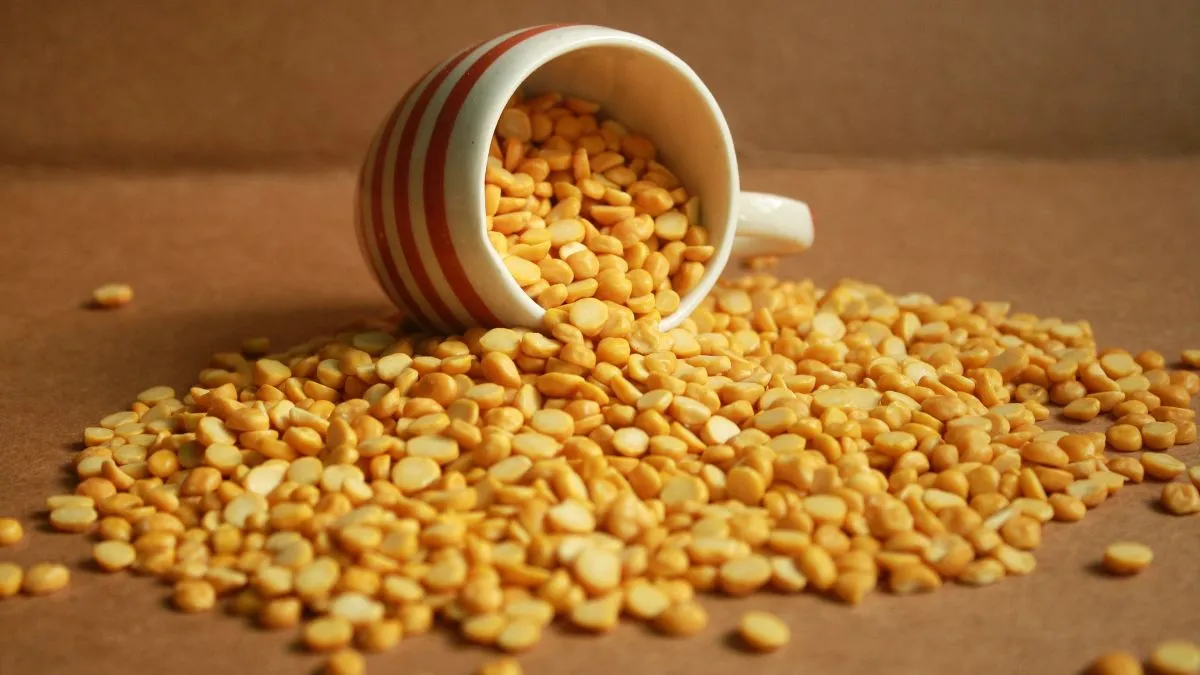
Dal is one of the most important foods in Indian cuisine, consumed daily in many households. It is prepared using pulses or lentils cooked with spices and seasonings.
Introduction & Overview
Dal provides protein and nutrients, especially in vegetarian diets. Different regions in India prepare dal using unique recipes and ingredients.
Historical Timeline
The history of dal in India dates back to ancient times, with evidence of lentil cultivation found in the Indus Valley Civilization. Over time, different regions developed their own unique dal recipes and traditions.
Key Facts & Figures
Dal is rich in protein, fiber, iron, and essential nutrients. It is especially important in vegetarian diets. Toor dal, moong dal, masoor dal, urad dal, and chana dal are some of the most common types of dal in India.
| Type of Dal | Description | Nutritional Value |
|---|---|---|
| Toor Dal | Mild flavor, widely consumed | 18g protein, 10g fiber per 100g |
| Moong Dal | Easy to digest, commonly used in soups | 14g protein, 7g fiber per 100g |
| Masoor Dal | Red or pink in color, used in curries | 15g protein, 8g fiber per 100g |
Memory Tricks
To remember the different types of dal, use the mnemonic TOMUM: Toor, Moong, Urad, Masoor, and Chana.
Frequently Asked in Exams
Dal is an important topic in various exams, including UPSC, SSC, and Railway exams. Questions related to dal may include its nutritional value, types, and cultural significance.
Frequently Asked Questions
Q: What is dal called in English?
A: Dal is commonly referred to as lentils or pulses in English, depending on the context.
Q: Which state is the largest producer of pulses in India?
A: Rajasthan is the largest producer of pulses in India, accounting for a significant share of the country's pulse output.
Q: What is the nutritional value of dal?
A: Dal is rich in protein, fiber, iron, and essential nutrients, making it an important part of a balanced diet.
Tags
Comments / टिप्पणियां (0)
Please sign in with Google to post a comment.