Social Contract Theory 2026: Key Facts for UPSC
Social contract theory explains the origin of government and why people consent to the law. Learn about Thomas Hobbes, the pioneer of social contract theory.
Introduction & Overview
Social contract theory is a political ideology that explains the origin of government and the reasons people consent to the law. Individuals sacrifice certain rights and liberties for safety, stability, and peace in a society, according to social contract theory.
Historical Timeline
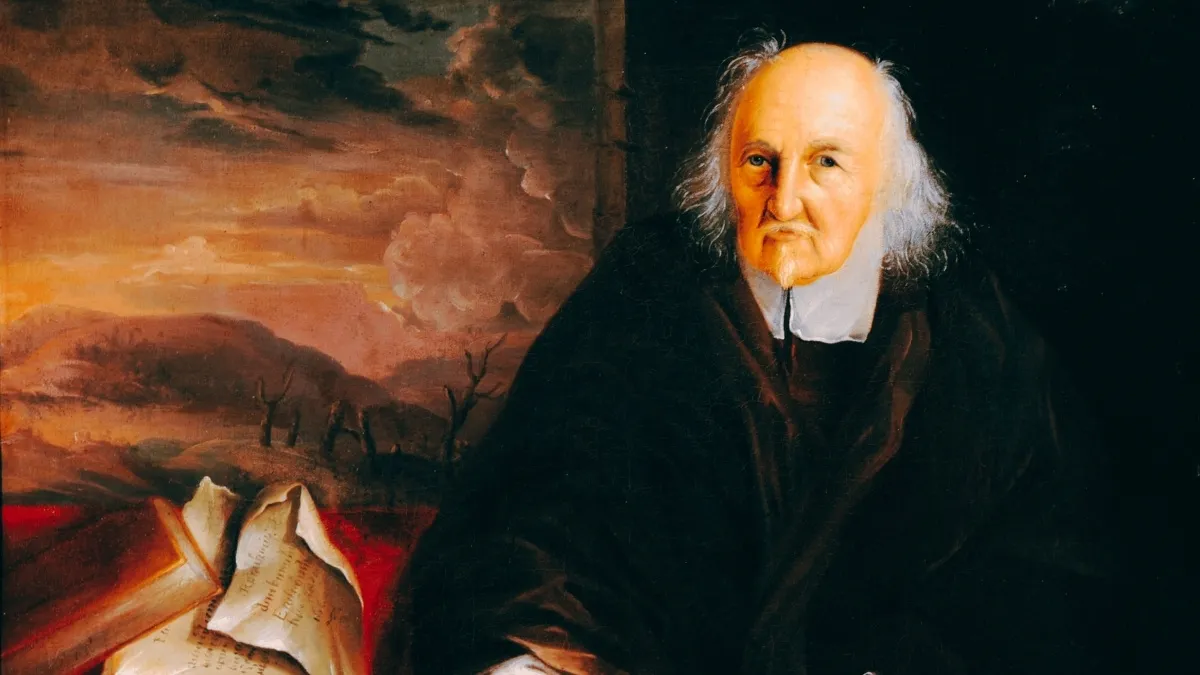
The theory of social contract has been discussed by various scholars through different periods of time. However, one particular philosopher, Thomas Hobbes, is known as the Pioneer of Social Contract Theory. He was a renowned philosopher in England who further expanded on the idea of how government is created as a result of people’s willingness to relinquish some freedoms for their own safety.
Key Facts & Figures
The key points of social contract theory are
| Concept | Description |
|---|---|
| Social Contract | A political ideology that explains the origin of government and the reasons people consent to the law |
| Thomas Hobbes | A renowned philosopher in England who is known as the Pioneer of Social Contract Theory |
| Leviathan | A famous book written by Thomas Hobbes in 1651 that discusses the idea of social contract theory |
| State of Nature | A concept described by Hobbes as “solitary, poor, nasty, brutish, and short” where individuals lack any authority and regulations |
Memory Tricks
To remember the key points of social contract theory, use the following mnemonic: THOMAS
- T: Thomas Hobbes, the pioneer of social contract theory
- H: Hobbes’ book Leviathan that discusses the idea of social contract theory
- O: Origin of government and the reasons people consent to the law
- M: Man is inherently selfish and needs a sovereign to maintain order
- A: Authority is necessary to prevent societies from turning into anarchy
- S: Social contract is a pact between individuals to relinquish some freedoms for their own safety
Frequently Asked in Exams
Social contract theory is an important concept in political science and is frequently asked in exams such as UPSC, SSC, and Railway. Some common questions asked in exams include:
- What is social contract theory?
- Who is known as the Pioneer of Social Contract Theory?
- What is the main idea of Thomas Hobbes’ book Leviathan?
Frequently Asked Questions
Q: Who is known as the Pioneer of Social Contract Theory?
A: Thomas Hobbes is known as the Pioneer of Social Contract Theory. He was a renowned philosopher in England who further expanded on the idea of how government is created as a result of people’s willingness to relinquish some freedoms for their own safety.
Q: What is the main idea of Thomas Hobbes’ book Leviathan?
A: The main idea of Thomas Hobbes’ book Leviathan is that life prior to the creation of the government was quite dangerous and disorganized. Hobbes believed that people have an inherent desire for peace and tranquility; thus, government is created by people to achieve peace and harmony.
Q: What is social contract theory?
A: Social contract theory is a political ideology that explains the origin of government and the reasons people consent to the law. Individuals sacrifice certain rights and liberties for safety, stability, and peace in a society, according to social contract theory.
Tags
Comments / टिप्पणियां (0)
Please sign in with Google to post a comment.