Water Stressed Cities in India 2026
Discover the top 10 water-stressed cities in India and learn why cities like Delhi and Bengaluru face severe water shortages. Get the latest 2026 data on India's water crisis.
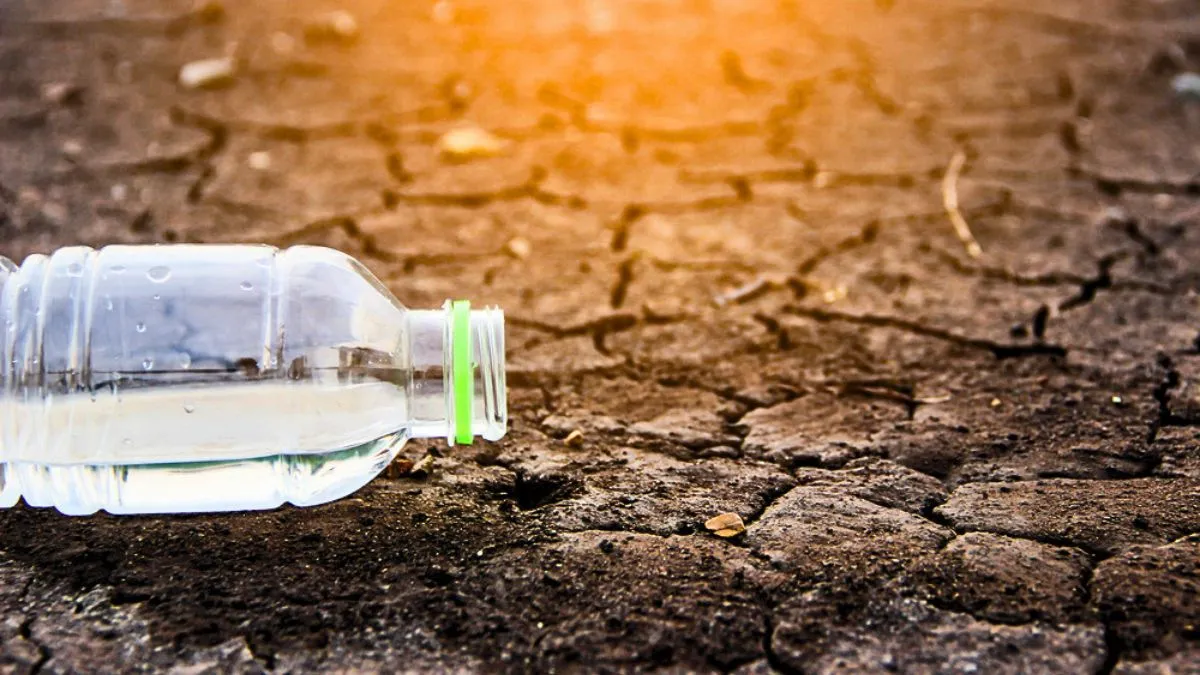
Introduction & Overview
The urban water crisis is a pressing issue worldwide, and India is among the worst-hit nations. Cities become water-stressed when demand exceeds supply. A study by the United Nations University Institute for Water, Environment and Health states that water extraction exceeds restoration speed.
Historical Timeline
The water crisis in India has been escalating over the years. According to the Central Water Commission's bulletin, reservoir levels have fallen in eight states, with total storage across 166 major reservoirs dipping below 40 percent of capacity. The NITI Aayog's Composite Water Management Index (CWMI) projects that 40% of the Indian population will face drinking water shortage by 2030.
Key Facts & Figures
The top 10 water-stressed cities in India are
| City | Water Stress Level |
|---|---|
| Bengaluru | High |
| Chennai | High |
| Delhi | High |
| Mumbai | Medium |
| Hyderabad | Medium |
| Ahmedabad | Medium |
| Jaipur | High |
| Ludhiana | Medium |
| Pune | Medium |
| 40% of the Indian population is projected to face drinking water shortage by 2030. 58% of Delhi's treated water is lost due to non-revenue water loss.
Memory Tricks
To remember the top 3 water-stressed cities, use the mnemonic: Bengaluru, Chennai, Delhi
- BCD. Another mnemonic to remember the main causes of water stress is: Pollution, Over-extraction, Limited water harvesting
- POL.
Frequently Asked in Exams
Q: What is the main cause of water stress in Indian cities?
A: The main cause of water stress in Indian cities is the demand exceeding the supply, due to factors such as rapid urbanization, pollution, and over-extraction of groundwater.
Q: Which city is projected to face the greatest risk of water shortage?
A: Jaipur is one of the two Indian cities projected to face the greatest risk of water shortage, according to WWF's Water Risk report in 2020.
Q: What is the projected percentage of the Indian population that will face drinking water shortage by 2030?
A: 40% of the Indian population is projected to face drinking water shortage by 2030, according to the NITI Aayog's Composite Water Management Index (CWMI).
Frequently Asked Questions
Q: What is water stress?
A: Water stress occurs when the demand for water exceeds the available supply. This can happen due to various factors such as climate change, population growth, and inefficient water use.
Q: Which cities are most affected by water stress in India?
A: The top 10 water-stressed cities in India are Bengaluru, Chennai, Delhi, Mumbai, Hyderabad, Ahmedabad, Jaipur, Ludhiana, Pune, and others.
Q: What can be done to reduce water stress?
A: To reduce water stress, it is essential to implement efficient water management practices, such as water harvesting, reducing non-revenue water loss, and promoting water conservation.
Tags
Comments / टिप्पणियां (0)
Please sign in with Google to post a comment.